

There is a moment that every gambler knows intimately: the split second between hitting the spin button and seeing where the symbols land. It is a tiny pocket of pure possibility, and it is the reason the iGaming industry is worth hundreds of billions of dollars globally. But somewhere between the glossy graphics and the flashing jackpot tickers, most players lose sight of what is actually happening under the hood. This isn't a lecture about the dangers of gambling — you've heard that one before. Instead, it's an honest look at how the machinery works, what separates a sharp player from a recreational one, and why the smartest people in the room treat this as entertainment with a cost, not a retirement plan.
Slots: Random Doesn't Mean What You Think It Means
Modern video slots are engineering marvels, and also traps for the uninformed. A game like Sweet Bonanza or Gates of Olympus isn't pulling symbols out of a hat. It uses a Random Number Generator that cycles through thousands of outcomes per second, and the moment you press spin, it locks onto one result. The reels spinning on your screen are theatrics — the outcome was decided before the first animation frame rendered.
What actually matters is the Return to Player, or RTP. An RTP of 96% means that, over millions of spins, the game returns 96 cents for every dollar wagered. That 4% is the house edge, and it is mathematically guaranteed to grind you down over time. Two slots with the same theme and similar volatility can have RTPs of 94% and 97% — a gap that compounds brutally over a long session. Check the help screen before you commit. It is the single most useful habit you can build.
- Volatility matters more than RTP for your experience. High-volatility slots pay rarely but can pay enormous sums. Low-volatility slots pay often but in small amounts.
- Max bet does not equal max win potential. Some jackpots require max bet, but most games scale payouts proportionally.
- Bonus buys are optional, but understand that they usually carry a lower RTP than triggering the bonus organically.
A concrete example: a 96% RTP slot with high volatility might see you lose 200 spins in a row and then hit a 500x bonus. A 97% RTP low-volatility slot might drip-feed you tiny wins. Neither is "better" — they suit different bankrolls and temperaments.
Poker: The Only Game Where You Beat Other Players
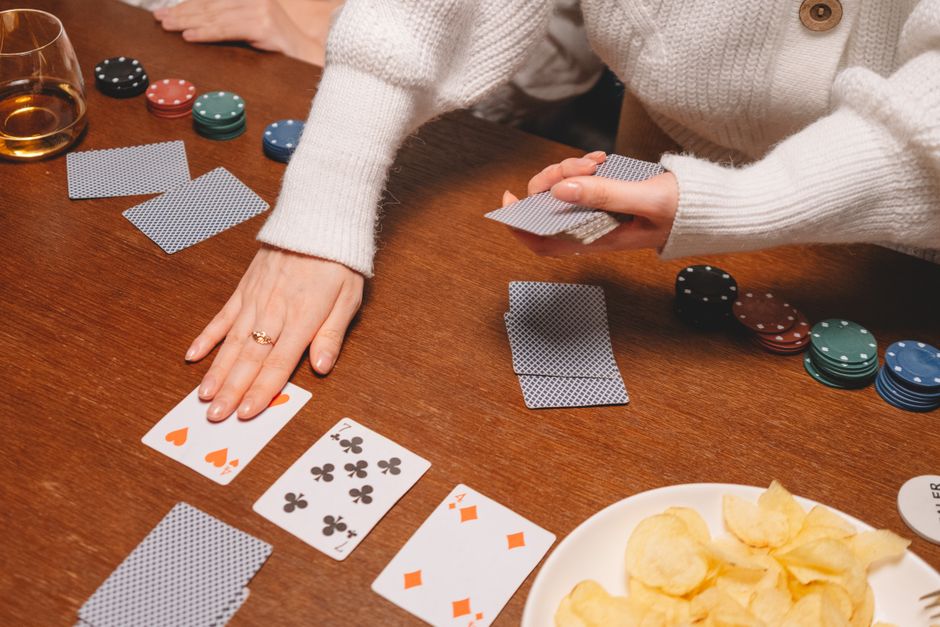
Here is the uncomfortable truth that separates poker from every other form of gambling: in slots, blackjack, or roulette, you are playing against the house, and the house has a mathematical edge that no strategy can erase. In poker, you are playing against other humans. The house takes a rake, yes, but the money you win comes from opponents' mistakes, not from a casino's generosity. A good place to continue is slot mahjong.
That distinction changes everything. It means poker is a skill game over the long run. A player who understands pot odds, position, and range construction will bleed a player who only knows the hand rankings. The learning curve is steep, but it's real. Here's what separates the winners:
- Bankroll management. Never buy into a cash game for more than 5% of your dedicated poker bankroll. For tournaments, 2% or less.
- Position awareness. Acting last gives you information. Play more hands from the button, fewer from early position.
- Hand reading, not hand guessing. Assign opponents a range of hands based on their actions, then narrow it street by street.
- Emotional control. Tilt — playing angry after a bad beat — is the single biggest leak for amateur players.
The rake is the silent killer. At low-stakes online tables, the rake can eat 5-10% of every pot, which means you need to be significantly better than your opponents just to break even. This is why serious players move up in stakes where the rake is proportionally lower and the competition is, counterintuitively, sometimes softer than at micro-stakes.
Sports Betting: Information Is the Edge
Betting on sports is not like betting on slots. There is no RNG, no RTP, and no house edge baked into a machine. Instead, bookmakers set odds based on probability estimates, and they shade those odds to guarantee themselves a profit margin — the vig or overround. A typical two-way market might have odds of -110 on both sides, meaning you need to win 52.4% of your bets just to break even.
Where does an edge come from? Information asymmetry. If you know a star player is nursing a hamstring injury that hasn't been reported, or you understand a weather pattern that will suppress scoring, you have an advantage the market hasn't priced in. Professional bettors don't gamble — they invest. They track closing line value, they shop for the best odds across multiple books, and they bet selectively, often fewer than 20 bets per week.
The trap for casual bettors is parlay betting. The odds look juicy because the payouts are large, but the house edge compounds with every leg you add. A three-team parlay at -110 each leg carries a combined house edge north of 12%. Single bets are almost always the smarter play.
Bankroll and Mindset: The Unsexy Truth
No strategy, no system, and no hot streak changes the fundamental math of iGaming. The industry exists because, over time, the house wins. That doesn't mean you can't enjoy it. It means you should treat your gambling budget the same way you treat a night at the movies or a nice dinner — as money spent on entertainment, not invested for return.
Set a hard loss limit before you open a single game. Use deposit limits, session timers, and reality checks that most regulated platforms offer. If you find yourself chasing losses, that is not bad luck — that is a warning sign. The best players in the world are ruthless about protecting their capital. They walk away when the edge is gone, and they never bet money they can't afford to lose.
The iGaming world is a fascinating ecosystem of math, psychology, and entertainment. Enjoy the ride, but keep your eyes open. The house always has the edge — your job is to make sure it doesn't have your rent money too.
Related posts
More stories you’ll love reading