
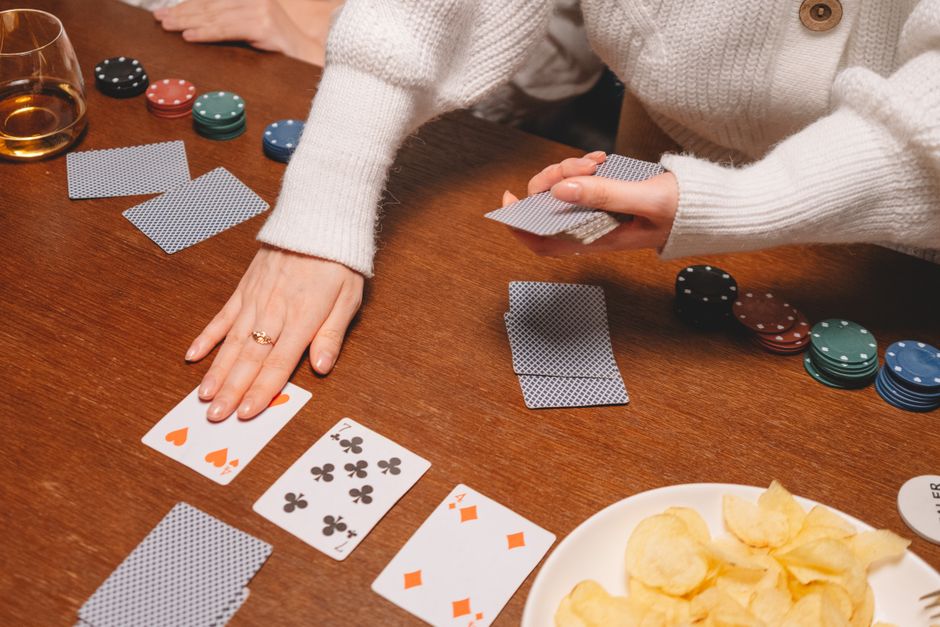



Most people who get into online casino games lose money for one boring reason: they treat gambling like a skill contest when it's mostly a math problem. The players who stick around, enjoy themselves, and occasionally walk away ahead are the ones who understand what they're actually up against. That's what this article is about — not hype, not affiliate fluff, just the honest mechanics behind slots, table games, poker, and sports betting, plus a few habits that separate casual players from chronic donors.
The House Edge Is the Only Stat That Really Matters
Every game in a casino, online or brick-and-mortar, is built on a mathematical advantage for the operator. That advantage is called the house edge, and it's usually expressed as a small percentage. It sounds tiny. Over thousands of bets, it isn't.
Here's what the numbers actually look like for common games:
- Blackjack (basic strategy): 0.5% house edge
- Baccarat (banker bet): 1.06%
- European roulette: 2.7%
- American roulette: 5.26% (that extra double zero costs you)
- Slots: usually 2% to 10%, depending on the machine and jurisdiction
- Keno and scratch-style games: often 25% or more
If you bet $100 on a slot with a 4% house edge, your expected loss per spin is $4 — but the variance means you might hit a $500 win or lose ten spins in a row. Expected value is a long-run concept. The problem is most people don't play long enough to reach the long run, and the ones who do are the ones the math is designed to grind down.
Slots: Entertainment First, Strategy Second
Slots are the most popular iGaming category for a reason. There's no decision-making, no opponents, and the potential upside of a progressive jackpot is genuinely massive. But modern video slots have evolved into something far more complex than the old three-reel machines.
Two numbers drive everything: RTP (return to player) and volatility. RTP is the percentage of all wagered money a slot pays back over millions of spins. A 96% RTP slot keeps 4% on average. A 94% RTP slot keeps 6%. That two-point difference is enormous over time, and plenty of popular games sit in the lower range because flashy graphics sell better than boring math. For more on this, see dana slot.
Volatility is the other half. Low-volatility slots pay small, frequent amounts — think 10 to 30 cents per dollar wagered with lots of small hits. High-volatility slots go cold for hundreds of spins, then hit a 500x or 2000x multiplier. Neither is "better." They suit different bankrolls and different patience levels. If you have $50 and play a high-volatility slot, there's a real chance you never see a bonus round. If you play The Dog House Megaways or Bonanza at high stakes, you'd better have a bankroll that can survive a dry spell.
A few practical habits that actually help:
- Check the RTP before you spin — it's usually buried in the game's info panel.
- Set a session loss limit and a win target. Stop when either hits.
- Don't chase. The slot owes you nothing, and its random number generator has no memory of your losses.
- Bonus funds with 40x wagering requirements are effectively a 40x-deep hole. Read the terms before claiming anything.
Poker: The One Game Where Skill Actually Beats the House
Here's the twist. In poker, you're not playing against the casino. You're playing against other players, and the house takes a rake — a small cut of each pot or a time charge. The casino doesn't care who wins. That means poker is the only major iGaming format where a skilled player can consistently profit.
But "skilled" is doing a lot of work in that sentence. The gap between a break-even micro-stakes player and a winning $2/$5 regular is smaller than most people think. Preflop ranges, position, bet sizing, and bankroll management matter more than bluffing. The romantic image of the bluffing genius is mostly wrong. Winning poker is boring, repetitive, and built on volume — thousands of hands where you fold 75% of the time and wait for edges.
If you're just starting online, micro-stakes cash games and sit-and-go tournaments are the right entry point. You'll pay less rake relative to your stack, face weaker opponents, and learn without burning through a real bankroll. Track your results. If you can't measure your win rate over at least 20,000 hands, you don't actually know if you're winning.
Sports Betting: Information, Not Gut Feeling
Sports betting has exploded since 2018, when the U.S. Supreme Court struck down the federal ban and states began legalizing it one by one. The pitch is seductive — you know football, so you'll beat the spread. Except the sportsbook has an entire team of analysts, injury data, and sharp money tracking. The margin on a typical NFL point spread is about 4.8%, meaning you need to win 52.4% of your bets just to break even.
A few things that separate real bettors from entertainment bettors:
- Line shopping. The same game can be -2.5 at one book and -3 at another. Those half-points add up over hundreds of bets.
- Closing line value. If you consistently get better odds than the final closing line, you're probably a winning bettor over time, regardless of short-term results.
- Homemade parlays are entertainment, not edge. The house edge multiplies with each leg. A four-team parlay is usually a 20%+ house edge, which is why books promote them so aggressively.
- Same-game parlays are even worse mathematically, but they're the fastest-growing product because they feel like lottery tickets with narrative.
Bankroll Management: The Boring Habit That Beats Everything
You can play a 99% RTP slot and still go broke if you bet 10% of your roll per spin. Bankroll management is the unsexy discipline that decides whether you're still playing next month.
A workable framework for casino games: never wager more than 1% to 2% of your total bankroll on a single bet, and split your bankroll into sessions. If you have $500 dedicated to slots, that's $5 to $10 per spin at most. It won't feel thrilling. That's the point.
For betting, a flat staking plan is almost always better than chasing losses with bigger bets. A common rule is 1 to 3 units per bet, where one unit is 1% of your bankroll. If you're on a cold streak, drop your stake. If you're hot, resist the urge to double up and give it all back.
And here's the part nobody advertises: the vast majority of recreational iGaming players lose money over time. That's fine — it's entertainment, priced like a night out. The trouble starts when it stops being entertainment and starts being a financial strategy. If you're ever betting money you need for rent, groceries, or bills, stop. Deposit limits, session timers, and self-exclusion tools exist on every legitimate platform; use them before you need them, not after.
The Bottom Line
The iGaming industry sells dreams, but the mathematics underneath is brutally honest. Slots are random and skewed toward the house. Roulette and keno are worse. Poker is beatable but demands real study and volume. Sports betting rewards information and discipline, punishing hunches. If you go in with open eyes, a fixed entertainment budget, and zero illusions about getting rich, you'll have a far better time than the guy chasing a jackpot he was never going to hit. Treat the house edge with respect, and it'll only cost you what you chose to spend.
Related posts
More stories you’ll love reading